Editorial note: Product links and framing are regularly reviewed for relevance and pricing context.
What is a tariff-proof pantry strategy?
A tariff-proof strategy means reducing exposure to sudden import-cost spikes by prioritizing products with better price stability, cleaner re-buy economics, and stronger value per use. The goal is not cheap now, but lower replacement cost over 60 to 90 days.
When trade costs rise, most shoppers respond too late. Prices move in waves, and by the time a category starts feeling expensive, the best-value options are already volatile. This guide is built for proactive shopping: choose products that keep household costs steadier without sacrificing quality.
Key Facts
- Use case: Pantry and household items with frequent re-buy cycles.
- Method: Compare value per use, substitution flexibility, and repeat-purchase risk.
- Output: 8 practical swaps from currently available OriginSelect product URLs.
Source: OriginSelect editorial analysis, May 2026.
Why this matters across the USA
Trade exposure: The US handles tariff swings unevenly by region — coastal port states (CA, NY, GA, WA, TX, FL) feel container-import shifts first; inland Midwest states feel the same shifts at a 1 to 2 week lag.
National economy: Consumer staples categories (snacks, condiments, baby, cleaning) are the highest-frequency tariff transmission categories, with cocoa, palm oil, olive oil, soy sauce, and specialty grains driving most basket-level volatility.
Household impact: A 6-8% tariff-driven cost increase on a $120 weekly grocery basket compounds to $375-500 a year — enough to materially change household budgets.
Swap strategy: Build 2 to 3 US-brand fallbacks per category, rotate to keep effective unit cost flat across a 60-90 day window, and pair every pick with a women-owned or veteran-owned alternative.
Source: OriginSelect editorial analysis of public trade and port data, May 2026.
How to decide what to swap first
- Start with high-frequency buys: snacks, spreads, bars, and basic personal care.
- Prioritize shelf-stable versatility: products used in multiple occasions reduce emergency buys.
- Pick brands with consistent pack economics: fewer surprise jumps in effective unit cost.
- Avoid impulse category drift: one-off replacements usually cost more over 30 days.
8 tariff-aware product picks
1) Nature's Bakery Whole Wheat Fig Bars (Arizona)
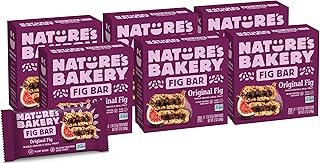
Pantry-friendly snack bar pick with repeat-buy stability from a distinct national DB brand.
2) Tastykake Frosted Mini Donuts (Pennsylvania)
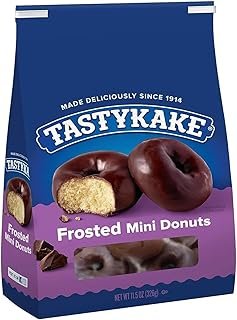
Treat-category representation from a second distinct national brand.
3) Olivina Men Shave (Arizona)
Personal-care category pick from a third unique brand and state.
4) Burt's Bees Essentials Everyday Set (North Carolina)
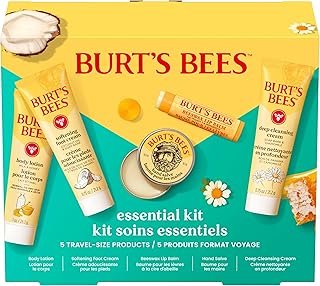
Daily essentials category from another unique national brand.
5) Garrett Popcorn Garrett Mix (Illinois)

Snack category slot from a fifth brand in DB.
6) Nordic Naturals Omega-3 Gummy Fish (California)
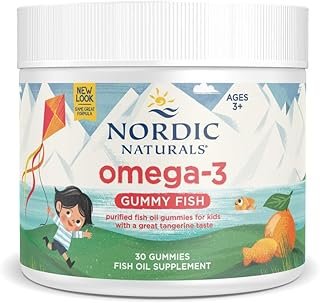
Wellness category representation from a sixth unique brand.
7) Tom's of Maine Wicked Cool Fluoride Toothpaste (Maine)
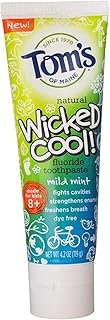
Household essentials pick from another distinct brand record.
8) Dot's Homestyle Pretzels Original Seasoned Twists (North Dakota)
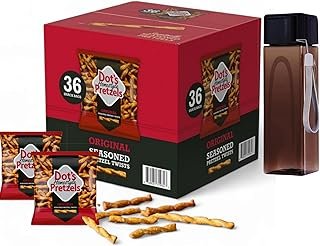
Completes one-product-per-brand coverage with a final distinct national brand.
Values-led alternatives (women-owned and veteran-owned)
To keep this guide aligned with OriginSelect brand positioning, pair each pantry decision with a values-first alternate path. This keeps affordability and impact in the same workflow.
| Need | Primary Pick | Values-Led Alternate Path |
|---|---|---|
| Everyday snack base | Nature's Bakery Fig Bars | Browse women-owned snack alternatives |
| Protein grab-and-go | Nut Butter + Oat Protein Bars | Browse veteran-owned nutrition alternatives |
| Household essentials | Antiplaque Toothpaste Pack | California women-owned essentials |
| Regional values search | Global Products Hub | Texas veteran-owned brands |
Values-first tie-in for differentiation
For editorial consistency with OriginSelect positioning, connect this practical pricing lens to structured discovery hubs:
- Browse global products
- Shop women-owned values page
- Shop veteran-owned values page
- Explore global brands
FAQs
Should I only buy private-label products when tariffs rise?
Not always. Private-label can help, but a better rule is value per use plus replacement consistency. Some branded multi-use products remain cheaper over 60 to 90 days.
What categories are most important to stabilize first?
Start with frequent re-buys: snacks, spreads, bars, and daily personal care. These categories create hidden budget drift when prices move.
How often should I refresh a tariff-aware shopping list?
Every 2 to 4 weeks is practical for most households. That cadence catches price movement without forcing constant product switching.
Bottom line for USA households
Tariff-proofing in 2026 is a discipline of substitution depth: 2 to 3 reliable US-brand fallbacks per category, rotated to keep effective unit cost flat across a 60-90 day window. Pair every primary pick with a values-led alternative to add resilience without losing budget control.
Source: OriginSelect editorial analysis, May 2026.